




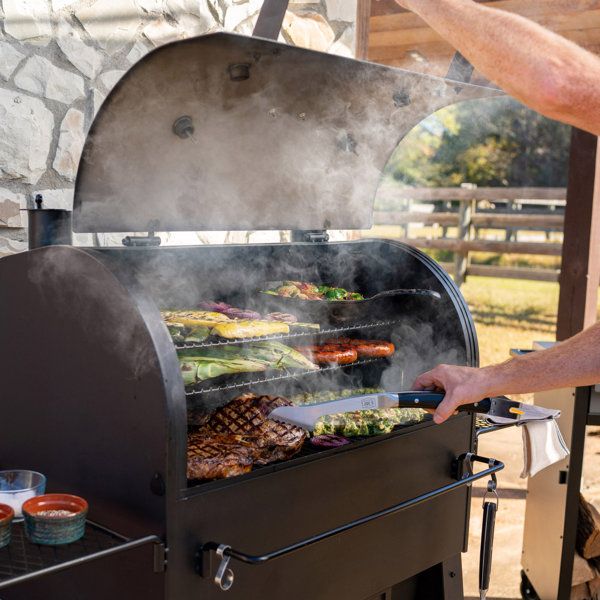
Smoking meat is an age-old tradition that transforms ordinary cuts into mouthwatering masterpieces. It’s more than just cooking; it’s a flavorful journey that engages the senses and brings people together. The heart of this culinary adventure lies in one critical element: wood. Choosing the right type can elevate your BBQ to new heights, imparting rich flavors and enticing aromas that will make your neighbors envious.
As you embark on this smoky exploration, you’ll discover a world of diverse woods, each with its own personality and unique characteristics. Whether you’re a seasoned pitmaster or just starting out, understanding how different woods interact with various meats is key to mastering the art of smoking. Let’s dive into which types of wood are best suited for your smoker BBQ experience!
Different types of wood for smoking
When it comes to smoking meat, not all woods are created equal. Different types of wood impart distinct flavors and aromas, enhancing your culinary creations.
Fruitwoods like apple and cherry offer a mild sweetness that complements poultry and pork beautifully. Their subtle notes can elevate the taste without overpowering it.
Hardwoods, such as hickory and oak, bring robust flavors to the table. Hickory is known for its strong smoky essence; it’s perfect for red meats or ribs that crave depth.
Mesquite adds a bold kick with earthy tones that’s ideal for Texas-style BBQ enthusiasts. However, use it sparingly; its intensity can quickly overwhelm delicate proteins.
Nut woods like pecan provide a rich yet sweet profile suitable for various meats while adding complexity to any dish you prepare on your best backyard smoker bbq. Each type offers unique characteristics waiting to be discovered in your next smoked masterpiece.
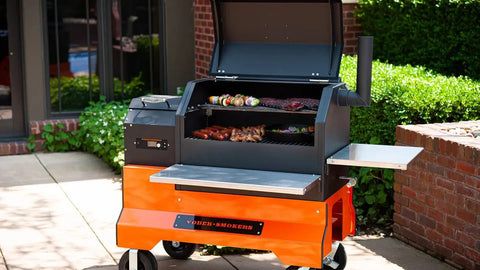
Choosing the right wood for your smoker BBQ
Selecting the right wood for your smoker BBQ can transform your meat from ordinary to extraordinary. Each type of wood brings its own distinct flavor profile, so it’s essential to consider what you’re cooking.
Hardwoods like hickory and oak deliver robust flavors that pair well with red meats. If you’re smoking chicken or fish, lighter woods such as apple or cherry impart a subtle sweetness without overpowering the dish.
Consider how long you’ll be smoking your meat. Longer smokes benefit from stronger woods, while shorter sessions might require milder options to avoid bitterness.
Don’t hesitate to experiment by mixing different types of wood for unique flavor combinations. The journey of discovering what works best for you is part of the fun in BBQ culture! Remember, it’s all about enhancing your meal and enjoying every bite along the way.
Common types of wood used in smoking
Hickory is a classic choice for BBQ enthusiasts. It provides a strong, smoky flavor that pairs well with pork and ribs. Many consider it the king of smoking woods.
Applewood offers a sweeter taste, making it ideal for poultry and fish. Its mildness adds just a hint of fruitiness without overpowering delicate meats.
Mesquite brings an intense smokiness that’s perfect for beef and game meats. However, its potency means moderation is key—too much can overwhelm your dish.
Cherry wood delivers a beautiful reddish hue to smoked foods while imparting subtle sweetness. It works well with almost any meat but shines brightest with ham or duck.
Oak strikes the right balance between strength and versatility. It’s great for brisket and sausages, providing depth without dominating other flavors in your meal. Each type brings something unique to the table, enhancing your culinary experience.
Pros and cons of each type of wood
When it comes to smoking meat, each type of wood brings its own unique flavor profile along with advantages and disadvantages. Understanding these can help you make the best choice for your next BBQ.
Hickory is a popular choice among pitmasters. It imparts a strong, smoky flavor that pairs well with pork and ribs. However, too much hickory can overpower delicate meats like chicken or fish.
Mesquite offers a bold taste that’s ideal for beef brisket and sausage. Its high heat can create an intense smoke ring but may also lead to bitterness if used excessively.
Applewood provides a milder sweetness that complements poultry and ham beautifully. The downside? It burns faster than other woods, meaning you’ll need more frequent refills during long cooks.
Cherry wood gives off a sweet yet tangy flavor that works well across various types of meat. While it’s versatile, it doesn’t produce as much smoke as denser options, requiring careful balance in your cooking process.
Oak serves as an excellent all-around option with its medium-strength smoke. It’s great for longer smokes but lacks some of the distinct flavors found in fruitwoods or stronger hardwoods.
Each wood type has its charm and quirks. Experimenting will help you discover what resonates best with your palate while enhancing the delicious experience of smoked BBQ.