



The mix of family residences, apartments, retail premises and business buildings in Blacktown creates a wide range of glazing needs. One property might have a window as a ventilation feature, another as a security feature, and a third as a massive public-facing exhibit. Maintenance should be based on that objective rather than one generic schedule.
Many warning indicators show up before the glass breaks down completely. Evidence that an opening needs maintenance includes sticking frames, loose putty, rattling panes, failed seals and minor edge cracks. A seasonal check allows the property owner to respond while the problem is still contained.
Inspect Frames Before Cleaning the Glass
Owners can also supply better information by examining beyond the visible surface when scheduling glass repairs blacktown. Check for any rust, rot in the timber, movement of the corners, faulty locks or other breaches which allow water or air to enter. Do not force any loose pane.
Cleaning can disclose chips and blemishes but hard equipment might damage coatings or seals. Use the right products and stop if the glass moves, sounds hollow in the frame or displays a crack running from the edge.
See the Places People Touch Most
There is a lot of touch with low windows, and shopfronts and doors. Loose handles, worn rollers and misaligned closers can transfer force into the glazing. If the hardware could be fixed, it would save the glass and the people utilising it.
If you live in a shared building, ask the residents or staff to report the defects early. Otherwise, some small thing spotted by someone could change hands or tenants a few times before it turns into an emergency break.
Get ready for heat, storms, and sudden impact
Glass is particularly vulnerable to stress from extreme temperature variations, especially if films, blinds or shadows generate uneven heating. “Storm debris and garden equipment are different hazards. Keep hard objects away from vulnerable openings, and maintain nearby plants, fixtures and outdoor work locations.
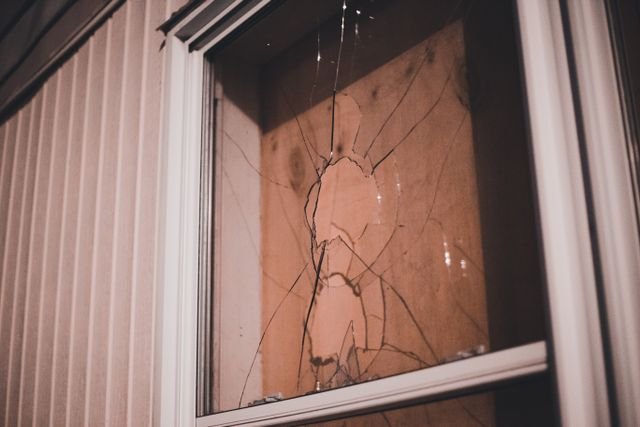
Damage should be examined, not swept under the rug. Temporary fixes may safeguard the site but do not return the pane to its intended functionality and do not validate that the surrounding frame is sound.
Maintain A Simple Property Record
Larger residences have images, approximate sizes, positions of glazing and historical maintenance dates kept by strata systems and commercial sites. This record accelerates communication in an emergency and helps identify repeated failures at one elevation or window type.
Replace any, note new glass and care instructions, and test locks and functionality. Preventive care is small in comparison with the disturbance an exposed opening creates. A concise checklist makes glazing safer, facilitates quicker judgements and helps every window keep doing the work its location needs.
Include access information in the record as well. Upper floor windows, narrow side walkways, security gates and busy retail frontages could require previous planning or specific equipment. Explaining these limits in the first call allows the repair staff to arrive prepared and minimise the time the opening is out of service.
For managed properties, designate responsibilities for routine checks and make reporting easy. Residents, cleaners and shop personnel are often the first to notice changes; a photo and the exact location can turn a generic maintenance statement into an actionable request. Early little observations documented allow owners more control over both safety and expense.