



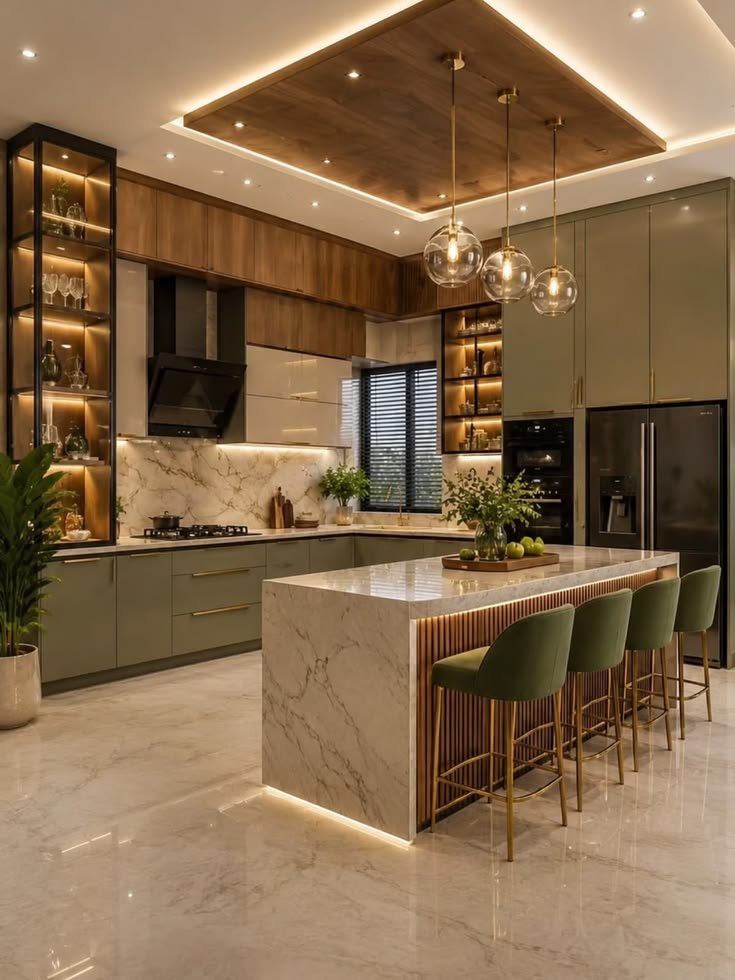
A successful kitchen upgrade starts with a layout that supports your daily routine. Before choosing cabinets, colors, or appliances, consider how you move through the kitchen and where you perform different tasks. Cooking, cleaning, food preparation, storage, and serving should have a natural flow.
The refrigerator, sink, and cooking area should be positioned so that frequently performed tasks require minimal movement. Make sure there is enough countertop space near the sink and cooking area for preparing ingredients. If you are adding a kitchen island, leave sufficient space around it for comfortable movement and for cabinet and appliance doors to open properly.
Your household’s needs should also influence the layout. A family kitchen may require more storage and seating, while someone who enjoys entertaining may want an open design with a large island. Smaller kitchens can benefit from compact islands, pull-out work surfaces, and vertical storage.
Planning the layout carefully at the beginning can make the entire kitchen more comfortable and efficient.
Choose Smart Storage Solutions
Good storage can make a dramatic difference in how a kitchen looks and functions. A cluttered countertop often indicates that cabinets are not being used effectively or that there is not enough dedicated storage. Leisure Coast Kitchens renovation solutions can help homeowners make better use of available space.
Consider deep drawers for pots and pans, tall pantry cabinets for food, and pull-out shelves for items stored at the back of cabinets. Corner storage systems can make difficult spaces more accessible, while narrow pull-out cabinets can be useful for spices, oils, and cleaning supplies.
Use vertical space whenever possible. Taller cabinets can provide additional storage for less frequently used items while giving the kitchen a clean, finished appearance.
Think about storage based on frequency of use. Everyday dishes and cooking utensils should be easy to reach, while seasonal or rarely used items can be placed in higher cabinets.
Invest in Durable Materials and Appliances
Kitchen materials need to withstand everyday wear, moisture, heat, spills, and frequent cleaning. When choosing countertops, flooring, cabinetry, and backsplashes, consider durability as well as appearance.
Countertops should be practical for the way you cook. Flooring should be resistant to heavy traffic and easy to maintain. A backsplash can protect walls from splashes while adding color and personality to the design.
Appliances should also match your lifestyle. Consider the size, capacity, energy efficiency, and features of refrigerators, ovens, dishwashers, and other equipment. Avoid choosing appliances solely because they look impressive. Focus on features you will actually use.
Proper ventilation is another important consideration. Cooking creates heat, steam, smoke, and odors, so a suitable ventilation system can improve comfort and indoor air quality.
Improve the Kitchen With Lighting and Color
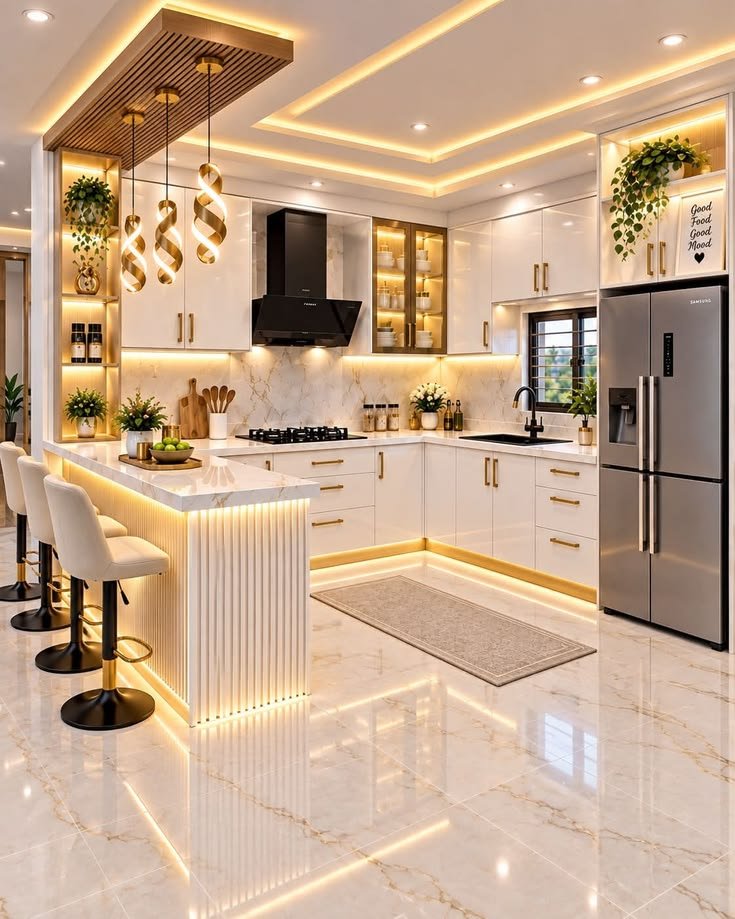
Lighting and color can completely change the atmosphere of a kitchen. A good lighting plan should include general lighting as well as task lighting for countertops, sinks, and cooking areas.
Under-cabinet lights are particularly useful because they illuminate work surfaces that may otherwise be shadowed. Pendant lights can provide both practical illumination and visual interest above an island or breakfast counter.
Color choices should complement the size and style of the room. Light colors can make a small kitchen feel larger, while darker shades can create a warm and sophisticated appearance. Neutral cabinets can provide a timeless foundation, while colorful accessories or backsplashes can introduce personality.
Hardware and fixtures should also coordinate with the overall design. Handles, faucets, lighting fixtures, and other finishes can add subtle details that make the kitchen feel complete.
Set a Realistic Budget and Prepare for Installation
Budget planning is essential for a successful kitchen renovation. Before starting work, estimate the costs of cabinets, countertops, appliances, flooring, lighting, plumbing, electrical work, labor, and finishing materials.
Prioritize features that provide the greatest practical benefit. If storage is a major problem, invest in high-quality cabinetry. If cooking is central to your lifestyle, prioritize reliable appliances and effective ventilation.
Keep a contingency fund for unexpected problems. Renovations can uncover plumbing, electrical, structural, or moisture-related issues that were not visible during the initial planning stage.
Before ordering materials, confirm all measurements and installation requirements. Cabinets and appliances need to fit together accurately, and plumbing and electrical work should be completed at the appropriate stages of construction.
With careful planning, a kitchen upgrade can improve the appearance, comfort, and functionality of your home. A practical layout, efficient storage, durable materials, thoughtful lighting, and responsible budgeting can help create a kitchen that works beautifully for everyday life.