


Physical recovery is a different experience for every individual, depending on their health, lifestyle, physical abilities, and personal goals. Whether someone is recovering from an injury, managing muscle discomfort, or trying to regain mobility after surgery, the right approach can make a meaningful difference. Individualised care focuses on understanding these differences and developing a treatment plan that suits each person’s specific requirements. By considering medical history, current symptoms, and daily activities, healthcare professionals can recommend appropriate treatments that support a gradual and manageable recovery process. This personalised approach helps ensure that treatment addresses the challenges an individual experiences rather than focusing only on general symptoms. It also allows recovery goals to remain realistic, practical, and relevant to everyday life.
Creating a Personalised Treatment Plan
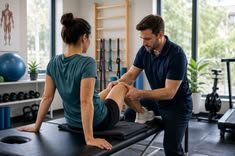
A personalised treatment plan helps ensure that recovery activities are suitable for an individual’s condition and physical capabilities. For those seeking local physiotherapy support, Backin motion Sydenham is an option to explore. Depending on their needs, treatment may include physiotherapy, strengthening exercises, mobility training, stretching, or other recommended therapeutic approaches. Instead of following a general routine, individuals receive guidance designed around their limitations and recovery goals. This approach also allows healthcare professionals to monitor progress and adjust treatments when necessary, helping patients work towards improved movement and physical function without placing unnecessary strain on the body. A well-structured plan can also identify which activities should be introduced gradually and which movements may need temporary modification. By adapting treatment as recovery progresses, healthcare professionals can help individuals work towards their goals with greater confidence and consistency.
Improving Mobility, Strength, and Confidence
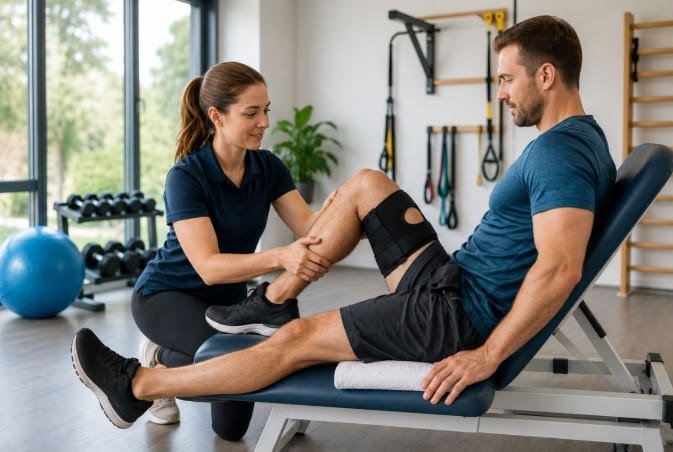
Regaining physical strength and mobility is an important part of returning to everyday activities. Pain, stiffness, and muscle weakness can make simple tasks such as walking, climbing stairs, or lifting objects more challenging. Individualised care addresses these difficulties through suitable exercises and gradual increases in activity, helping people rebuild their physical abilities at an appropriate pace. As movement becomes easier, individuals may also develop greater confidence in their bodies and feel more comfortable participating in activities they previously avoided. Progress varies from person to person, making regular assessment and professional guidance particularly valuable. With consistent support, individuals can learn to manage physical limitations more effectively and improve their ability to carry out daily responsibilities. These improvements can also encourage greater independence and make it easier to return to hobbies, exercise, and other meaningful activities.
Encouraging Active Participation in Recovery
Successful physical recovery involves more than attending treatment sessions; it also requires active participation and consistent self-care. Healthcare professionals can help individuals understand their condition, learn appropriate exercise techniques, and identify everyday habits that may influence their progress. Regular movement, adequate rest, and realistic activity goals can all contribute to a more sustainable recovery routine. Open communication is equally important, as sharing concerns or changes in symptoms allows treatment to be adjusted when needed. When individuals understand their recovery plan and feel involved in decisions, they can take a more informed and confident approach to improving their physical wellbeing. Following recommended exercises at home and maintaining healthy daily routines can further support progress between appointments. This shared approach encourages individuals to take greater responsibility for their recovery while receiving professional guidance when challenges arise.
Supporting Long-Term Physical Wellbeing
Individualised care aims to support lasting improvements rather than focusing only on immediate symptoms. By addressing specific physical limitations and encouraging healthier movement habits, a personalised recovery plan can help individuals maintain strength, flexibility, balance, and mobility over time. Ongoing guidance may also help people adapt their activities as their abilities and needs change. Whether the goal is returning to sports, managing daily responsibilities, or maintaining independence, a tailored approach can make recovery more relevant and achievable. With appropriate professional support, realistic expectations, and consistent effort, individualised care can contribute to improved physical function and a more active, comfortable lifestyle. Developing sustainable habits can also help individuals recognise their physical needs earlier and make informed decisions about exercise and activity levels. Ultimately, a recovery plan that reflects personal circumstances can provide a stronger foundation for maintaining progress and supporting long-term health and wellbeing.