



The Australian Institute of Health and Welfare suggests that there have been about 88,600 preventable hospitalisations for dentistry in 2023-24. The reasons for many hospital visits can be minor issues that can cause serious problems. The rate was 12.1 cases per 1,000 persons among children aged 5 to 9 during 2023-24. The statistics raise the question of the proper time for treatment for anyone interested in looking for a Brunswick dental surgery.
Surgery Is Also a Place
As a rule, in Australia, dental surgery refers to the place where dentists treat their patients. It does not mean an operation is required at a Brunswick dental surgery despite how the name sounds.
Routine services like examinations, cleanings, X-rays, fillings, and other procedures are more common during most appointments. Knowing the term is helpful when making an appointment.
When a Tooth Needs a Root Canal?

Root canal therapy is used for treating an infection or damage that affects the pulp. The pulp consists of nerves and blood vessels that ensure the life of the tooth. As mentioned by Healthdirect, the procedure allows saving a tooth suffering from decay, injury, cracking or multiple treatments. Both a general dentist and an endodontist can perform the procedure.
An antibiotic will not solve the issue. In case of leaving the infection untreated, it will lead to spreading of infection to the neighbouring tissues. Signs include toothache, sensitivity to hot or cold, a small pimple near the tooth and swelling.
What Does an Appointment for a Root Canal Look Like?
Healthdirect outlines the stages of root canal treatment, and to most people’s surprise it’s actually a fair bit more straightforward than many people expect.
The dentist starts off by taking an X-ray of the affected tooth and the surrounding area, just to get a good look at what’s going on. Next, they’ll give you some local anesthetic to numb the area and make you feel more comfortable. They’ll then put a rubber dam around the tooth to keep it clean and dry while they go to work.
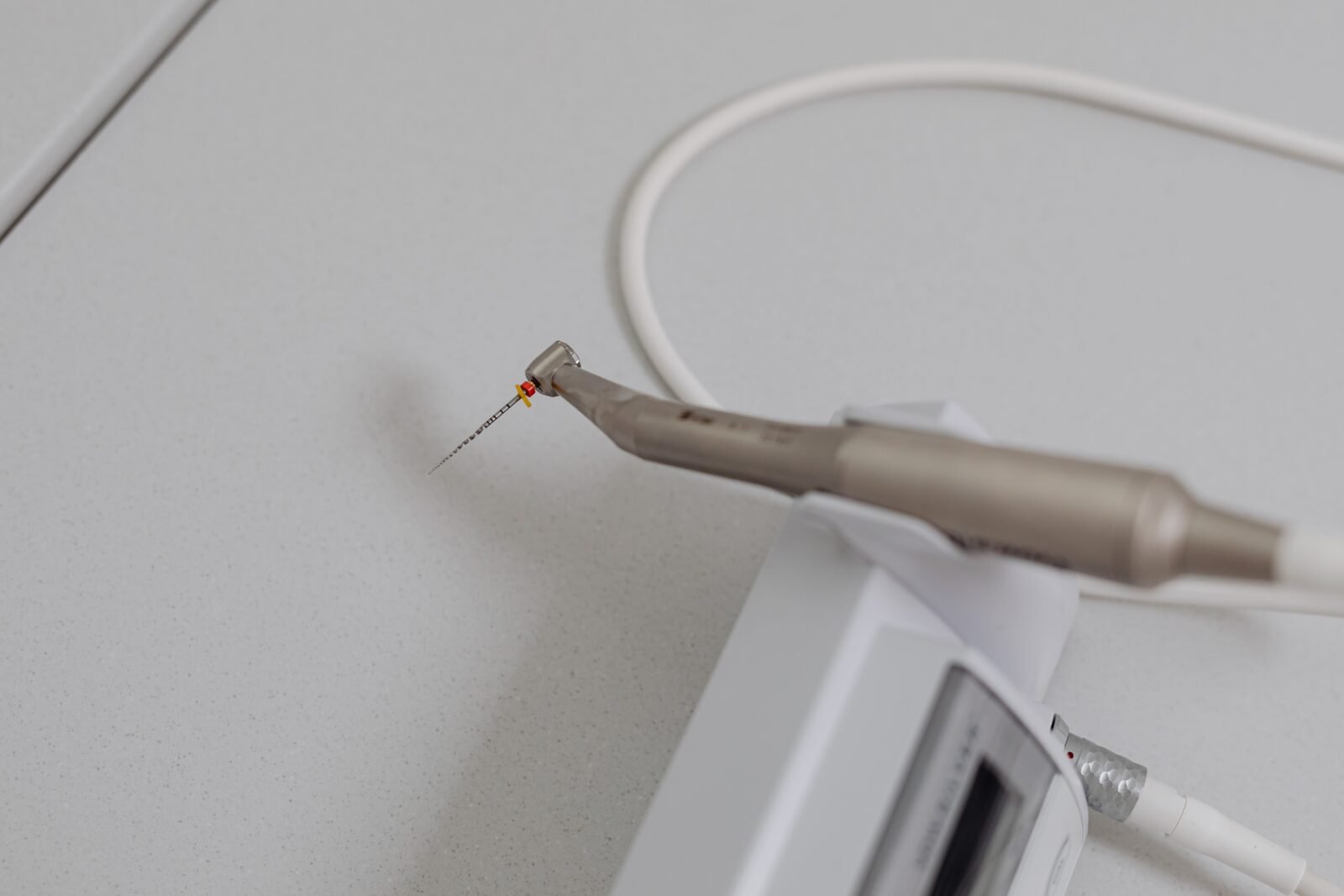
The dentist will then make a small hole in the tooth and remove the damaged or infected pulp. Then they’ll get to work on cleaning, shaping and disinfecting the canals inside the tooth. Sometimes, if the treatment is going to take a few appointments to complete, they might put in a temporary filling to keep things going until your next visit.
Once the canals have been cleaned out, the dentist will fill and seal them properly so they don’t get infected again. Then they’ll sort out the tooth with a filling or crown. If you have anxiety about dental treatment, be sure to let the dentist know well before they start; they’ll do their best to help.
Aftercare & Watch Out for Warning Signs
Some soreness and discomfort is to be expected after a root canal, but usually it’s not too bad and can start to clear up pretty quickly. You might still be numb in the mouth for a couple of hours after treatment, so eating before you go in can be a good idea. Pain relief meds can help with that too, and the dentist will be able to recommend the best ones for you.
You really should pay close attention to the dentist’s aftercare instructions, as they’ll be able to tell you what you need to do to give your tooth the best chance of healing properly. Find out when it’s safe to go back to eating normally and doing your usual daily activities, and don’t worry if the aftercare instructions are a bit different for each person; just make sure you jot them down somewhere or snap a quick photo so you can refer back to them later.
Complications can still occur, and these might include a recurring infection, your tooth discolouring, a broken instrument being left inside the canal or damage to the root. In some cases, the tooth won’t be saved and you might end up having to have it removed even after having the root canal.
If you start experiencing severe pain or swelling, get back to the dentist ASAP. In an emergency, you can call triple zero (000) for help.
Questions to Ask Before You Agree to the Treatment
Informed consent is pretty important here; before you agree to anything, you should make sure you’re completely clear about what the treatment is going to involve. You should feel comfortable asking the dentist about the diagnosis, what they think the outcome will be and what your options are.
It’s perfectly reasonable to ask how many appointments the treatment is going to require and what each one is likely to cost. You should also ask who will be doing the procedure and what your options are if it doesn’t go as planned.
The dentist needs to know a bit about your medical history, so bring a list of your regular meds, any allergies you have and any existing health conditions you’ve got. Also make sure to mention if you’ve got dental anxiety, if you’ve had any bad reactions to anaesthetic in the past or if you’ve been unwell recently. It’s all just helpful info for the dentist and the dental team to make sure they can sort you out safely.
Root Canal vs Extraction: What’s the Difference?
A root canal tries to rescue the natural tooth, whereas an extraction just gets rid of it. It’s worth noting though that surgical removal and dental implants are 2 pretty separate procedures with their own complicated processes, risks and price tags. Depending on which tooth needs work, a dentist or oral surgeon can help out with which option is the most sensible one and why.
People looking for treatment should always ask for the lowdown in writing on what they can expect & what they’ll need to do afterwards. Getting a clear idea of what could happen if you wait a bit on getting the treatment done will give them some real-world perspective to help make up their mind.
How Much Is It All Going to Cost?
Costs vary wildly between practices, so it’s a good idea to get a clear breakdown in writing of what you can expect to pay before you start. A written breakdown of the costs will make it easier to make sense of what the dentist is suggesting and compare costs if you want to see what others are charging. If you’ve got private health insurance, you need to check and see if any of the procedures are covered by your policy.
If you’re the parent of a kid under 16, they may be eligible for the Child Dental Benefits Schedule, which will cover the cost of a root canal and extraction up to a certain amount, but it’s worth noting that orthodontic treatment and hospital visits are not included.
A Little Bit of Handy Info to Take Away
If you’ve got a throbbing toothache that keeps coming back, it’s time to call the dentist and not put it off. Make a note in your phone to save the practice’s number so you can easily get an appointment when the pain hits.
When you do go to the dentist, ask them to explain the situation in plain English: what the problem is, what your options are and how much each one will set you back. Grabbing a pen and jotting down the details will help you remember it all, especially if you’re a bit out of it from the anaesthetic. This article should give you a general idea, but it’s important to note that it’s not a substitute for proper dental or medical advice.