



In Australia’s logistics and supply chain industry pallets are used for the transport of goods which has created a great dependency which many operators manage very carefully. These pallets are at the core of warehouse systems, retail distribution, and export operations. As sustainability becomes more of a priority issues related to carbon footprints from pallet material choices are coming to the fore for businesses. For decades timber pallets were the norm but today we see an increased focus on plastic, metal, and composite pallets.
Timber pallets are the dominant type of pallet in Australia which we see in our day-to-day logistics because of the price, availability of the material and that they are easy to repair. Production uses local softwood and hardwood which in turn reduces the issue of transport emissions as compared to imported pallet materials. European markets adopted the use of standardized Euro pallets which in turn set out durability and reuse parameters that became a model for global pallet systems.
Environmental Profile of Timber Pallets
Industry reports on which renewable option they have in timber pallets when they come from sustainably certified forests. The carbon footprint of timber pallets is a function of logging practices, mill operations, and transport in distribution networks. Responsible forestry promotes new growth, which in turn absorbs carbon dioxide, thus supporting the emission balance via natural processes. Biodegradable at the end of their use which is when timber pallets may enter into the composting systems or break down in the environment.
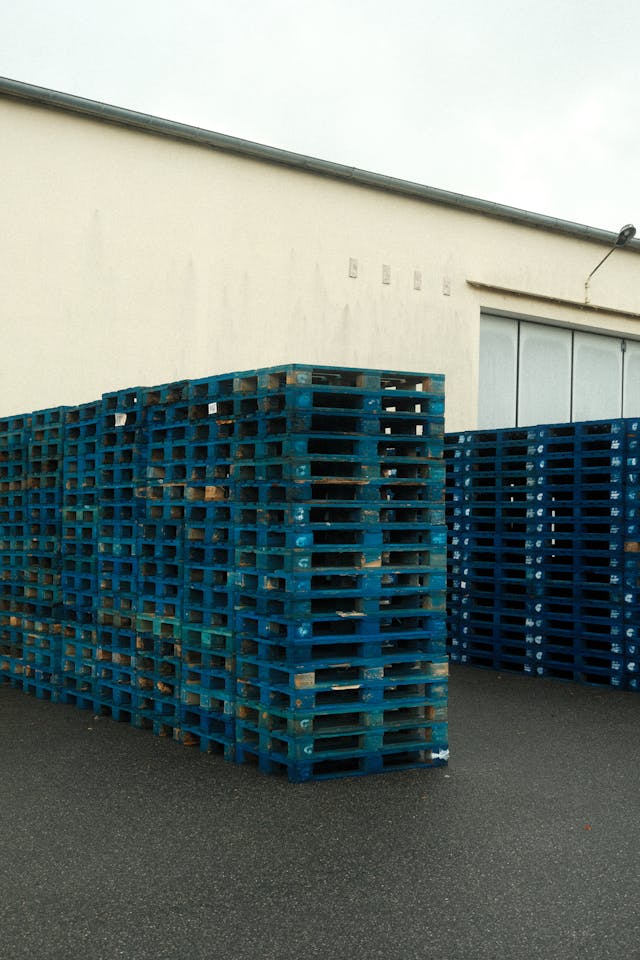
Carbon Impact Linked to Plastic Pallets
Plastic pallets are a growing choice over timber for issues of durability. Resistance to water, pests, and chemicals which is what makes them useful in pharmaceutical and food processing industries. Petroleum-based materials form the base of plastic pallets, and this choice results in a carbon footprint at the production stage. Energy is a component of manufacturing which is true, and while pallet use is for extended periods at times, their disposal once used is an issue.
Metal Pallets and Their Sustainability Problem
Metal pallets, made from steel or aluminum, have always been the go-to choice for heavy-duty use and long durability. That’s because they’re exactly the right fit for industries where hygiene and strength matter, like chemical manufacturing. The thing is though metal pallets have a massive carbon footprint from the get-go, right from the mining and smelting process to fabricating them. Steel and aluminum production are mind-bogglingly energy-hungry and spew out a ton of greenhouse gas emissions.
Composite Pallets – A Middle-of-the-Road Option
Composite pallets, a mix of materials like wood fibres and reclaimed plastics are starting to gain some traction as a middle ground between the two. They’re trying to combine the durability of plastic with the eco-friendliness of timber. The carbon footprint of these pallets varies wildly depending on the proportion of recycled materials and the type of energy they use in the production process. Down under, composite pallets are still a relatively new kid on the block, but they’re gaining some ground in industries where there’s a genuine need for balance between strength and being environmentally responsible.
The Carbon Footprint in Australia – Making it Work
Australia’s logistics sector has a few unique challenges to contend with, including long transport distances and a reliance on exporting goods. Locally sourced timber pallets often have a lower carbon footprint than imported ones because of the reduced transport emissions. Recycling and repair programs are widely available so timber pallets are a pretty practical choice for businesses that want to reduce their emissions. Plastic and composite pallets might offer all the durability you need but their production emissions are higher, and recycling infrastructure varies by region. Metal pallets can be recycled but they’re still pretty energy-hungry to produce and transport. For businesses in Australia, the choice of material often comes down to balancing durability, cost and environmental goals.