



Home mechanics are the unsung heroes of DIY culture. Whether you’re a weekend warrior or someone who spends every spare moment tinkering, having the right workshop equipment can elevate your projects from good to great. Imagine transforming your garage into a haven of creativity and productivity a place where imagination meets innovation.
With the right tools at your fingertips, even routine repairs can become satisfying challenges rather than mundane chores. From basic fixes to intricate builds, each piece of equipment plays a vital role in bringing your ideas to life. Let’s explore what you need to create an efficient and enjoyable home workshop that fuels your passion for all things mechanical!
Basic Tools for a Home Workshop
Every home workshop starts with the essentials. A sturdy toolbox is your first must-have. It keeps everything organized and within reach. For quality workshop essentials, joelsgaragegear.com.au can be a useful resource for finding the right equipment.
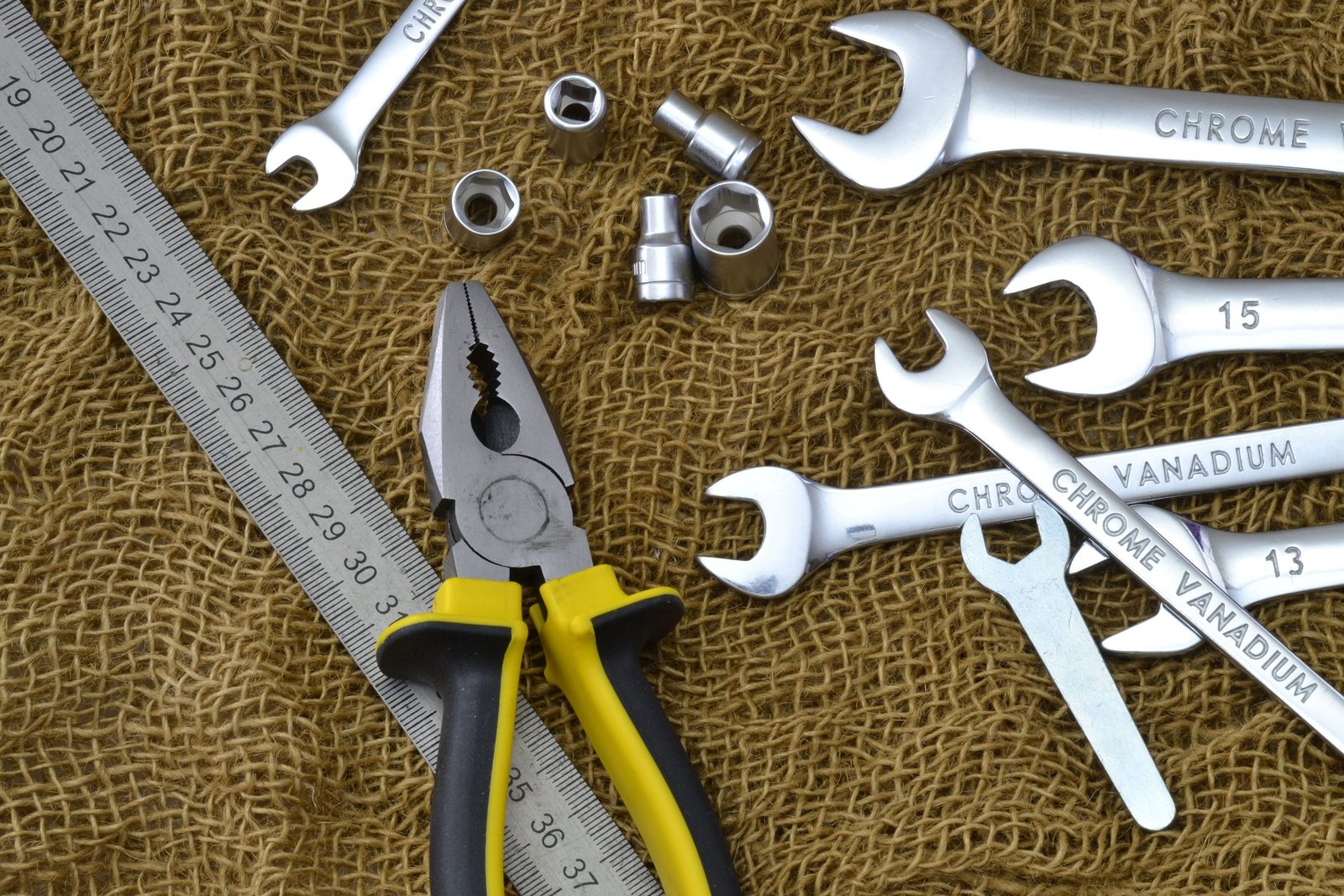
Next, a reliable set of hand tools makes all the difference. Basic screwdrivers, pliers, and wrenches should be at your fingertips. Invest in quality options to ensure longevity.
A good hammer can’t be overlooked either—choose one that feels comfortable in your hand. Don’t forget measuring tools like a tape measure and square; precision is key for any project.
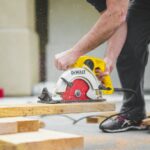
For those who work with wood or metal, a circular saw and drill are invaluable additions to your toolkit. They open up countless possibilities for projects around the house.
Consider an adjustable workbench that provides space for both small repairs and larger builds. With these basics on hand, you’ll be well-equipped to tackle almost anything!
Specialty Tools for Advanced Projects
When you’re ready to tackle more complex tasks, specialty tools become essential. These gadgets can elevate your projects and make intricate work feel straightforward.
Consider a torque wrench. It’s crucial for ensuring that bolts are tightened to precise specifications. This tool is invaluable when working on engines or suspension systems.
Another game-changer is an impact driver. It offers the power needed to drive screws into tough materials effortlessly. Whether you’re assembling furniture or tackling car repairs, this tool saves time and energy.
Don’t overlook diagnostic scanners. They provide insights into vehicle issues that traditional methods might miss. This technology allows home mechanics to troubleshoot problems effectively.
A good quality soldering iron can be indispensable for electrical repairs or custom wiring projects. Mastering these tools will not only enhance your skills but also expand the range of projects you can undertake with confidence.
Essential Safety Equipment for Working in a Workshop
Safety should always be a top priority when working in any workshop. Proper gear can protect you from accidents and injuries that may occur during projects.
Start with safety goggles. They shield your eyes from flying debris, dust, and harmful chemicals. It’s surprising how often neglecting eye protection leads to serious issues.
Next up is hearing protection. Power tools can generate noise levels that harm your hearing over time. Invest in earplugs or earmuffs to keep your ears safe while you work.
Don’t forget gloves! A good pair of heavy-duty gloves provides grip and protects against cuts or burns. Choose the right material based on what you’re handling.
Consider a respirator if you’re dealing with dust, fumes, or sprays. This essential piece of equipment helps filter out hazardous particles so you can breathe easy while focusing on your tasks at hand.
Budget-Friendly Alternatives to Expensive Equipment
Setting up a home workshop can seem daunting, especially when it comes to the costs associated with high-end tools and equipment. However, there are plenty of budget-friendly alternatives that can help you get started without breaking the bank.
First off, consider purchasing used tools. Online marketplaces often have great deals on gently used items. You might find a quality tool at a fraction of its original price. Just make sure to check for wear and tear before buying.
If you’re handy yourself, think about building your own workbench or tool storage solutions. There are countless tutorials available online that guide you through the process step by step. Not only will this save money, but you’ll also gain valuable skills along the way.
For power tools, look for brands that offer reliable performance at lower prices rather than premium names. Many lesser-known brands provide solid options ideal for home mechanics just starting out.
Additionally, renting specialized equipment instead of buying it outright is another smart move for those occasional projects that require something beyond your everyday toolkit. Many local hardware stores offer rental services at reasonable rates.
Don’t overlook DIY repairs and modifications on existing tools instead of replacing them entirely. A little creativity goes a long way in extending their lifespan while keeping expenses down.
With these tips in mind, you’re well-equipped to establish an efficient workshop tailored to your needs—without overspending!