




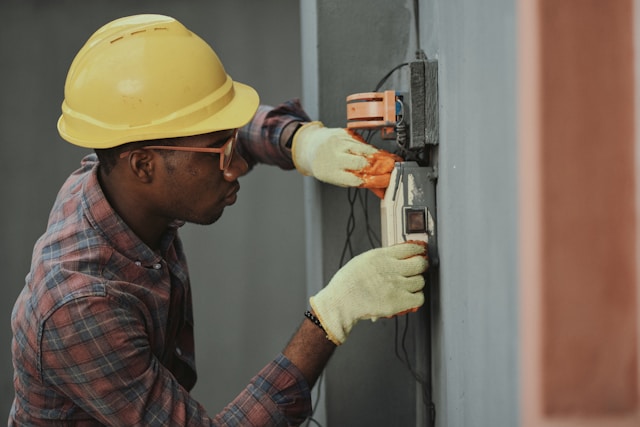
A few years ago, “electrification” sounded like policy language. Something for government roadmaps, industry panels, and very patient people comparing appliance specs late at night.Now it’s turned into a practical household question. Bills are rising, gas has lost a lot of its old comfort factor, solar is more common, and more homeowners are asking what is a home electrification in plain terms, not consultant terms.
At its simplest, home electrification means replacing systems that run on gas, petrol, or other fossil fuels with electric alternatives. In a house, that usually means things like swapping a gas cooktop for induction, replacing gas ducted heating with reverse-cycle air conditioning, moving from a gas hot water system to a heat pump, and in some cases adding solar and a battery to support the shift. Less romance, more wiring. Still, the appeal’s easy to understand once the numbers and day-to-day convenience start stacking up.
Households are starting with the stuff they use every day
Most people are not waking up desperate to “electrify” in the abstract. They’re replacing a hot water system that’s on its last legs. They’re sick of paying gas supply charges. They’re renovating the kitchen anyway. They want heating that works better in summer as well as winter. They’re getting solar installed and suddenly the logic of running more of the house on electricity starts looking pretty obvious.
That’s usually how the change happens. Not one giant ideological leap. More a series of ordinary upgrade decisions that begin to point in the same direction.
Gas has stopped feeling automatic
For a long time, gas had a certain default status in Australian homes. Gas heating, gas cooking, gas hot water; all pretty normal. Plenty of people still like it. Plenty of others are looking at the bills, the fixed connection charges, and the hassle of maintaining two energy systems in one house and wondering why they’re paying for the privilege.
Once that question lands properly, electrification starts looking less like a niche lifestyle move and more like a straightforward simplification. One energy source. Fewer moving parts. Better alignment with rooftop solar if the house has it. Often a cleaner path for future upgrades too.
Reverse-cycle has changed the heating conversation
One of the bigger shifts sits in heating and cooling. Reverse-cycle systems have improved enough that many households now see them as the smarter option, especially when they want both functions from one setup. Heating in winter, cooling in summer, one system doing the heavy lifting.
That alone has pushed a lot of homes towards electrification. Gas heating still has its defenders, but the practical appeal of efficient electric heating and cooling in the same unit is hard to ignore once an older system starts failing or a renovation opens the door to change.
Hot water turns out to be a huge part of the story
Hot water is not glamorous, though it quietly drives a lot of upgrade decisions. People don’t think much about the system until it breaks, starts costing too much, or becomes the obvious weak link in a broader renovation.
Heat pump hot water systems have pulled more attention because they give homeowners a way to move one of the house’s biggest everyday energy loads onto electricity. Pair that with solar and the equation gets more interesting. Suddenly the home isn’t only using electricity from the grid. It may be using more of its own generation during the day as well.
Induction changed plenty of minds about cooking
Cooking can be emotional territory. People get attached to gas flames in a way they rarely get attached to other household systems. Then they try a decent induction cooktop and realise the old assumptions may have been doing a lot of the talking.
Induction has helped electrification feel more complete because it removes one of the most visible reasons people thought they had to stay connected to gas. Faster response, easier cleaning, less excess heat in the kitchen, no combustion at the cooktop; enough households have made the switch now that the old “serious cooks need gas” line doesn’t sound as settled as it once did.
Solar makes the whole thing more attractive
Electrification gets far more interesting when the roof is already doing part of the work. A home with solar can shift more of its energy use onto the system it’s generating itself, particularly during the day. That changes the economics of running appliances, heating water, and powering electric systems that would otherwise have been covered by gas.
Once homeowners start seeing electricity as something they can produce, not only buy, the logic changes. The house begins to feel more connected internally. Solar on the roof, electric systems inside, fewer reasons to keep feeding two separate energy streams.
People like the idea of future-proofing, even if they don’t call it that
Very few homeowners sit around saying “I’d love a future-proofed thermal strategy for my residence.” What they do say is closer to: I don’t want to replace this again in five years. I’d rather do it properly. I want the house to make sense long term.
Electrification fits that instinct. A home set up to run on efficient electric systems usually has a clearer path for solar, batteries, smart controls, EV charging, and later upgrades. It feels more adaptable. More coherent. Less stuck between old infrastructure and new expectations.
The switch rarely happens all at once
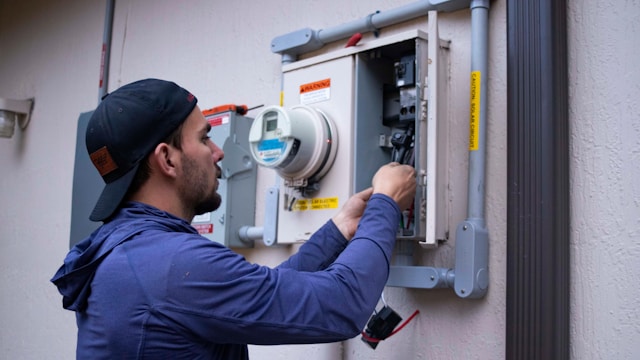
This part usually relaxes people. Home electrification does not require a dramatic full-house overhaul next Tuesday. Most households do it in stages. Hot water first. Heating later. Cooktop during a kitchen renovation. Solar when the timing works. Battery maybe later again.
That staged approach makes far more sense for most people because it lines upgrades up with appliance failure, renovation timing, cash flow, and rebates where available. A well-timed sequence usually beats a rushed all-at-once conversion.
Households want simpler, cleaner systems that earn their keep
Strip away the jargon and the appeal becomes pretty human. People want homes that cost less to run, feel easier to manage, and make better use of the technology already available.They want systems that work well together. They want fewer pointless fixed charges. They want comfort without the sense that the house is dragging old habits around forever.
That’s why more households are making the switch. Not because everyone suddenly became an energy policy enthusiast, but because the practical case has become harder to ignore. Electrification no longer feels like an abstract idea for the distant future. In a lot of homes, it’s simply starting to look like the more sensible next step.